
Politics
There’s something in the Mumbai air that’s changing lives and sparking creativity

DCM Editorial Summary: This story has been independently rewritten and summarised for DCM readers to highlight key developments relevant to the region. Original reporting by NDTV, click this post to read the full article.
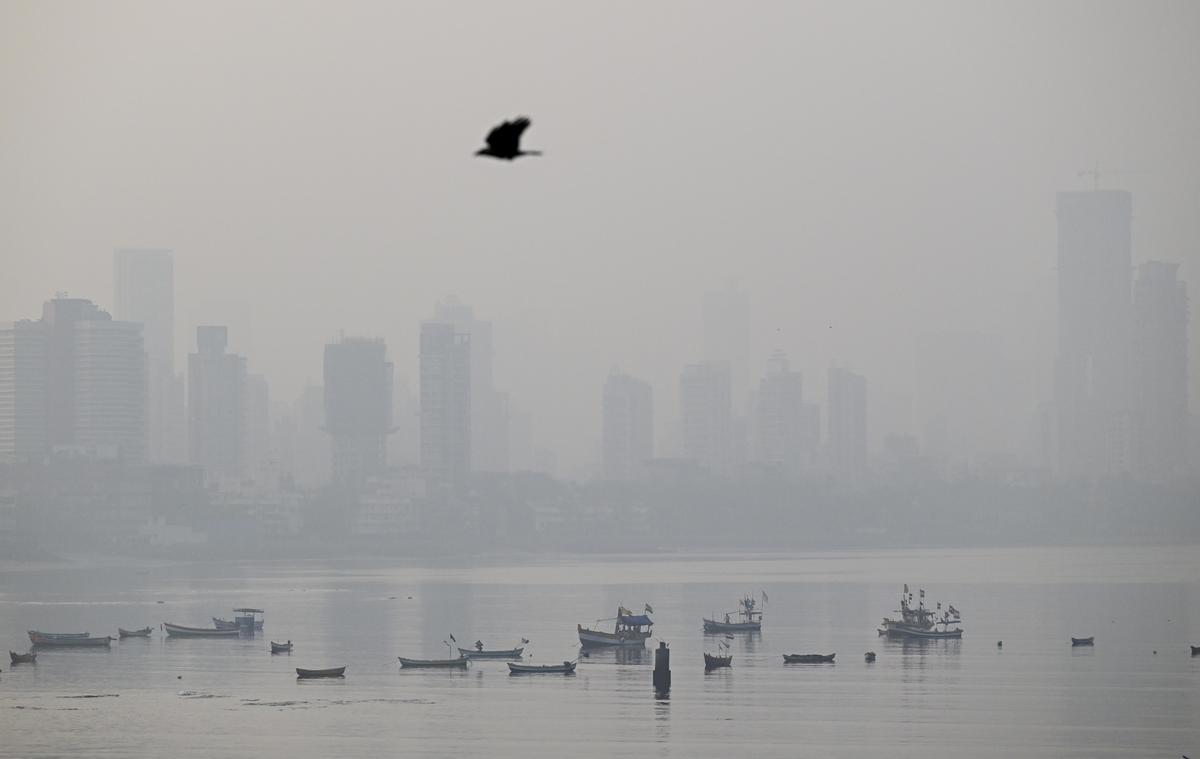
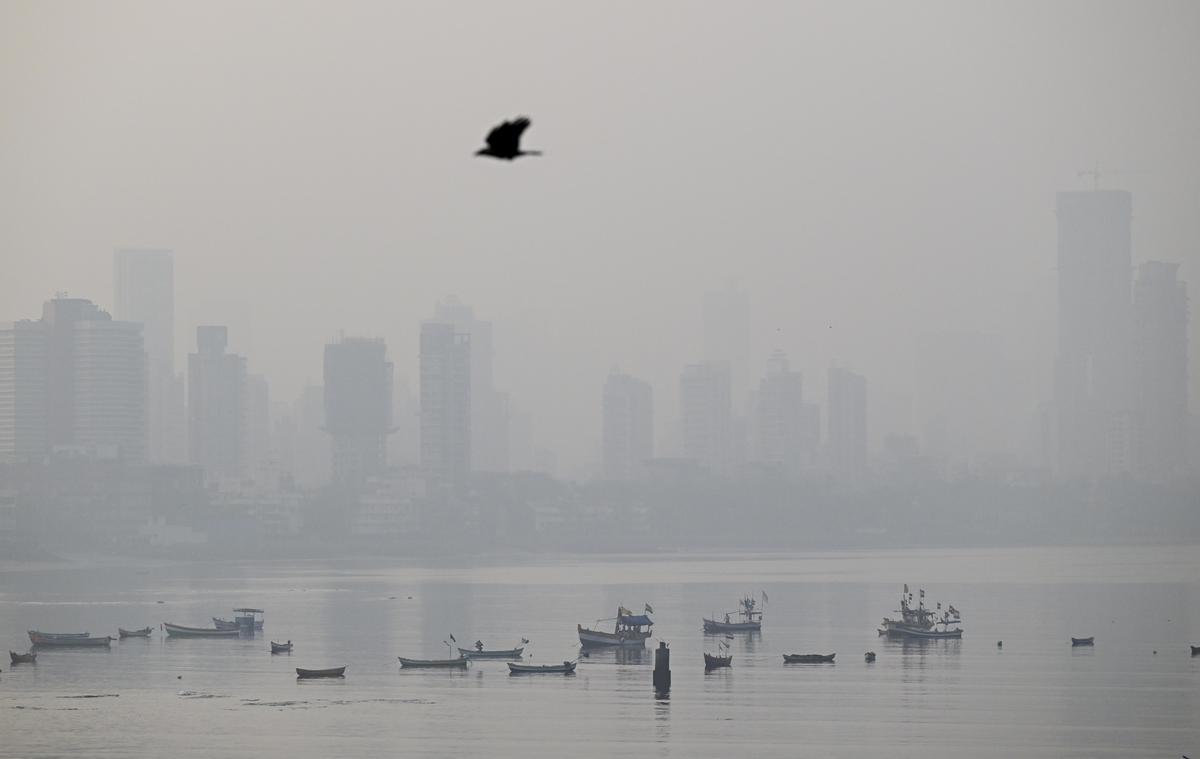
Thick blanket of smog over the city skyline as seen from Bandra on December 5, 2025.
| Photo Credit: Emmanual Yogini
Shabnam Abdul Gaffar Shah, a resident of Mumbai’s Mankhurd slums, is experiencing health issues due to poor air quality exacerbated by nearby construction activities. She reports that her entire family has been ill for a month, and despite visiting a doctor, their symptoms persist. The air in the area, filled with dust and soot, has led to significant medical expenses, raising concerns about the impact of pollution on health. Meanwhile, in Matunga, professors worry about their students who commute through similar dusty conditions, highlighting a study that attributes 30% of PM10 pollution in Mumbai to dust.
The air quality in Mumbai has been fluctuating between ‘moderate’ and ‘severe’ over the past three years, with particulate matter levels often exceeding safe limits. A report from Respirer Living Sciences indicates a slight increase in PM2.5 levels, indicating ongoing air quality challenges. Although there has been an increase in the number of ‘good’ air quality days, the existence of ‘moderate’ and ‘poor’ days points to localized pollution sources, particularly during construction periods. Advocate Shweta Mehta expresses concern for her parents’ health due to the thick dust in her Wadala neighborhood, illustrating the broader impact of air pollution on daily life.
Doctors are increasingly alarmed by the rise in respiratory issues among children, with hospital admissions for asthma and allergic conditions on the rise. The Bombay High Court has taken notice of deteriorating air quality, initiating a public interest litigation to address pollution from construction dust. Recent court orders mandated the Brihanmumbai Municipal Corporation (BMC) to implement 28 guidelines at construction sites, including the installation of air quality sensors and water sprinklers to mitigate dust.
Despite these measures, compliance has been lacking, with many construction sites failing to install functional air quality sensors. Experts emphasize the need for actionable data rather than merely monitoring air quality. There are calls for more effective pollution control technologies and a comprehensive approach to address the ongoing air quality crisis. Environmentalists have raised concerns about the transparency of air quality data, particularly regarding PM2.5 levels, which are crucial for public health. The BMC acknowledges the importance of air quality management and has implemented various measures but faces criticism for the effectiveness of these actions in combating pollution.