
Politics
Field trips to urban farms transform schoolchildren’s understanding of nature and sustainability


DCM Editorial Summary: This story has been independently rewritten and summarised for DCM readers to highlight key developments relevant to the region. Original reporting by NDTV, click this post to read the full article.
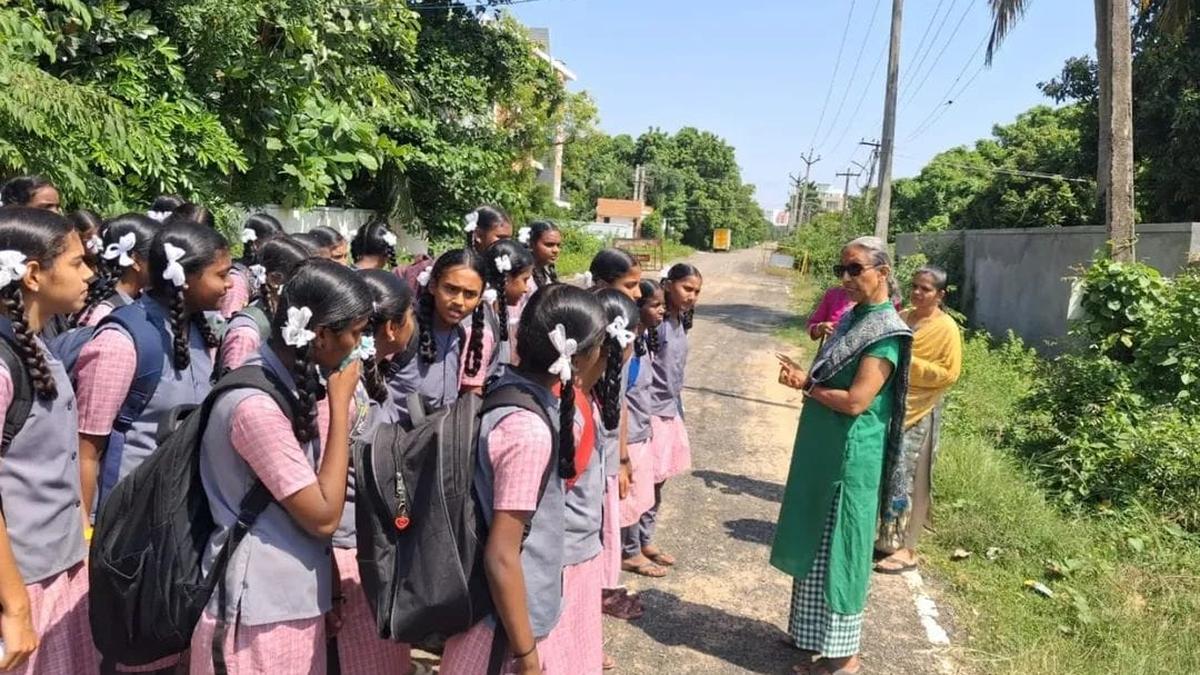
Field trip season has arrived in the city, and during breaks in the monsoon rains, busloads of school children are exploring urban farms, enjoying nature while learning about agriculture. These farms range in size from 30 cents to several acres, with various crops, including paddy. Class 10 student Vasanth Krishna shared his experience from a visit to a farm in Tiruvallur, where he learned about farming practices such as sowing seeds, milking cows, and creating seed balls. He appreciated the food served in a natural setting, highlighting the enjoyable learning atmosphere.
EPIC SS Farm in Padur, which caters primarily to children from government schools, offers a unique educational experience. Former IAS officer Santha Sheela Nair, who guides the tours, aims to make learning engaging by emphasizing the planet’s diversity beyond urban environments. She noted that children often express newfound aspirations after their visits, such as wanting to become archaeologists. Nair encourages them to dream big, sharing stories of people from smaller cities achieving remarkable feats.
Agnes, a teacher from a government school in Thiruporur, was impressed by how a vacant plot transformed into a vibrant farm, teaching children the value of living simply without modern comforts. The Jacob and Klooster Lifestyle Farm in Thalambur promotes a satvik lifestyle and hosts around 40 school visits annually. Owner Shammy Jacob emphasizes harmony with nature, allowing calves to drink milk freely and encouraging children to engage with the farm’s animals and plants.
Sempulam Sustainable Solutions, founded by K. Vijayalakshmi, takes farm education further by offering programs that include at least 20 on-farm days for students. They have developed syllabuses for various schools, helping children gain practical insights into the journey of food from farm to table.