
Business
Export promotion mission charts a unified course to boost India’s export competitiveness


DCM Editorial Summary: This story has been independently rewritten and summarised for DCM readers to highlight key developments relevant to the region. Original reporting by Economic Times, click this post to read the original article.
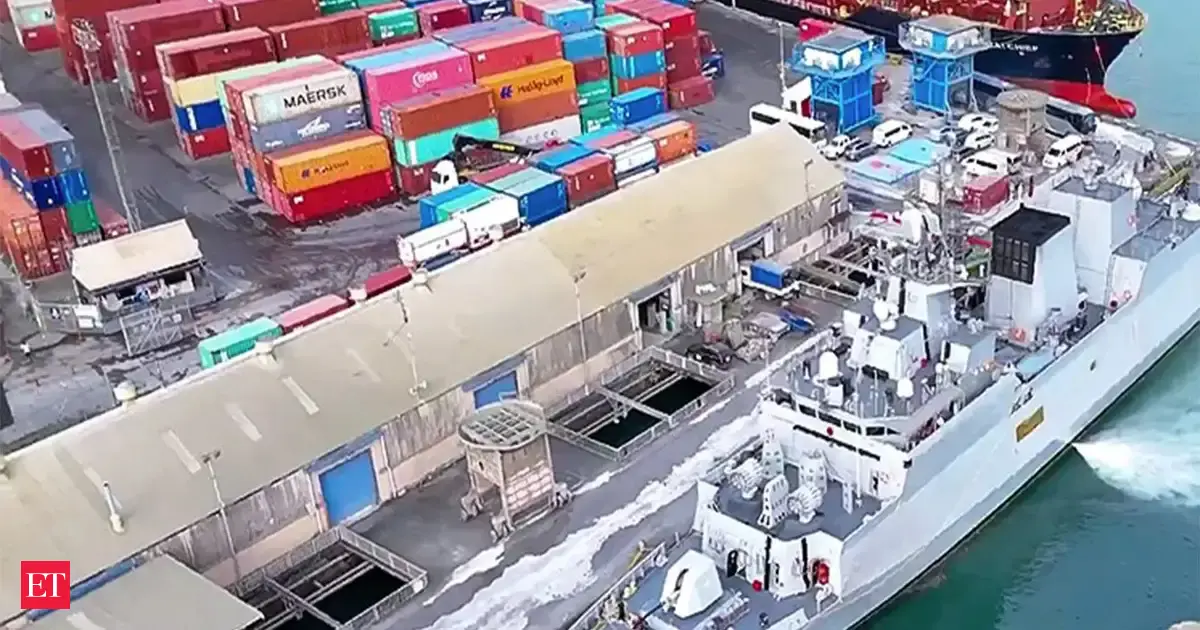
India has made a significant advancement in enhancing its export ecosystem with the introduction of the Export Promotion Mission (EPM), a unified framework approved in the Union Budget for 2025-26. This initiative is particularly aimed at supporting Indian exporters, especially micro, small, and medium enterprises (MSMEs) and first-time exporters, by offering them more streamlined, faster, and coordinated assistance. With an allocation of Rs 25,060 crore for the fiscal years 2025-26 to 2030-31, the EPM seeks to improve trade finance, bolster market readiness, and enhance competitiveness across various regions and sectors.
The EPM consolidates several previously fragmented schemes into a single, cohesive system, allowing exporters to access support in a more straightforward and predictable manner. The rationale behind this initiative stems from the necessity for a more coordinated export-support structure, as existing programs have not fully addressed challenges such as access to affordable finance, compliance with international quality standards, and logistical hurdles. Recent trends in exports highlight the demand for stronger digital systems and a unified mechanism capable of adapting swiftly to changes in global trade.
The Directorate General of Foreign Trade (DGFT) will oversee the implementation of the EPM, which will include a digital platform for managing applications, approvals, and disbursement of funds. This framework integrates various governmental bodies, including the Department of Commerce, the Ministry of MSME, the Ministry of Finance, Export Promotion Councils, financial institutions, and state governments, with an emphasis on real-time monitoring and inter-ministerial coordination.
The Mission comprises two main components: Niryat Protsahan and Niryat Disha. Niryat Protsahan focuses on financial support mechanisms such as interest subvention and credit enhancements, while Niryat Disha addresses non-financial needs like testing, certification, branding, and logistics assistance. In conjunction with the EPM, the government has also expanded the Credit Guarantee Scheme for Exporters, providing an additional Rs 20,000 crore to facilitate collateral-free working capital for exporters, particularly MSMEs. The Reserve Bank of India has further contributed by introducing Trade Relief Measures, which include loan repayment moratoriums and relaxed regulatory conditions to support exporters.