
Environment
Women face heightened health risks from escalating heat, reveals MSSRF study across seven states

DCM Editorial Summary: This story has been independently rewritten and summarised for DCM readers to highlight key developments relevant to the region. Original reporting by The Hindu, click this post to read the original full article.
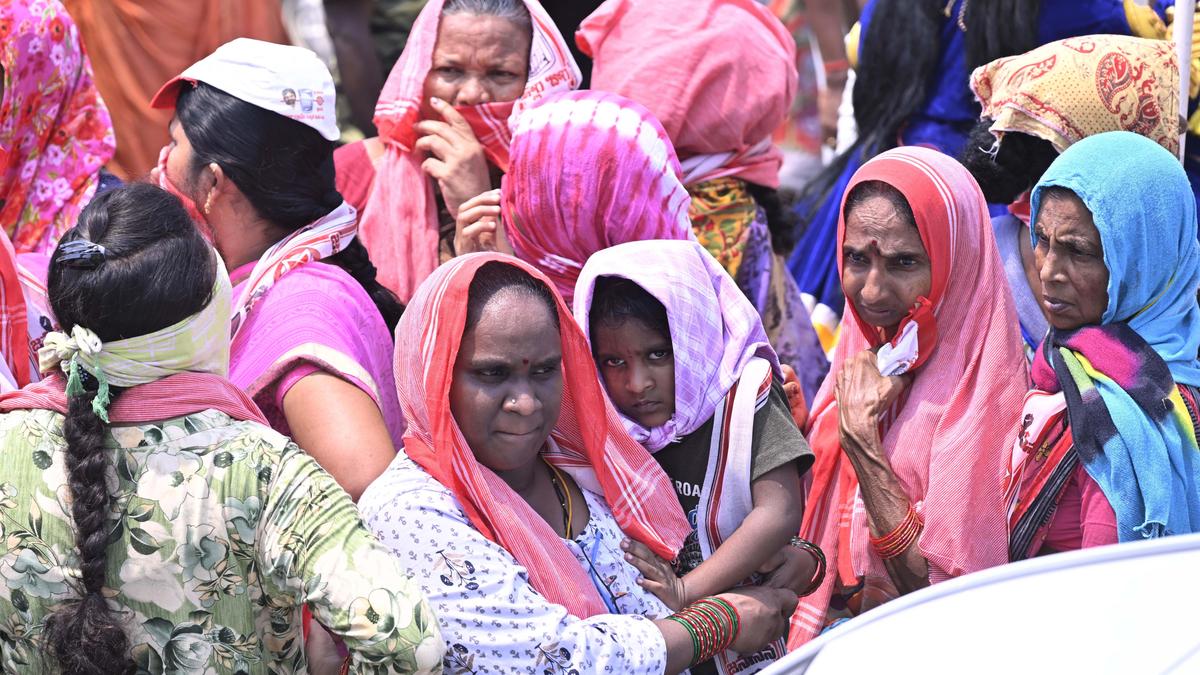
Women living in districts with extreme heat face significant health risks, according to a recent study by the M.S. Swaminathan Research Foundation (MSSRF) in Chennai. The research highlights that 70% of women in high heat vulnerability index (HVI) areas reported symptoms such as fatigue, dizziness, and dehydration during peak heat months. The study focused on how heat stress specifically affects women, particularly those who are poor, rural, or from lower castes, revealing that they experience higher rates of physical symptoms, reproductive issues, mental distress, and economic challenges.
The findings indicate that women aged 20-45 in high HVI districts reported reproductive health problems, including urinary tract infections and menstrual irregularities, but very few sought medical treatment. Additionally, nearly all respondents experienced wage losses during the summer months, with many reporting losses exceeding ₹1,500. The psychosocial effects of extreme heat were also alarming, with many women expressing increased anxiety, irritability, and instances of violence, especially during the peak heat months.
MSSRF chairperson Soumya Swaminathan emphasized the need for gender-specific research on heat stress, noting that women’s experiences are often overlooked in climate policies and health strategies. The study surveyed 3,300 women across seven states—Rajasthan, Gujarat, Maharashtra, Bihar, Odisha, Telangana, and Tamil Nadu—using a combination of primary surveys and focus group discussions to complement the quantitative data.
The study builds on previous research examining the broader impacts of climate change on women and children. Dr. Swaminathan mentioned plans for future studies to further explore the gendered impacts of heat and to inform government policies regarding labor, healthcare access, and resources for women during extreme heat events.